NYMPHS PICS
ANKH TV Domain Park
Greek Nymphs: Spirits of Nature, Beauty, and the Living World
Domain Name For Sale
In the mythology of Greece, few beings embody the beauty and mystery of nature as perfectly as the Greek nymphs. These enchanting female spirits were believed to inhabit forests, rivers, mountains, oceans, trees, and hidden valleys, serving as guardians and living manifestations of the natural world.
Neither fully mortal nor entirely divine, nymphs occupied a unique place within Greek mythology. They were immortal in spirit yet deeply connected to the changing rhythms of nature itself. Their legends inspired ancient poetry, art, religion, and philosophy — and their influence continues to echo through modern fantasy, literature, and popular culture.
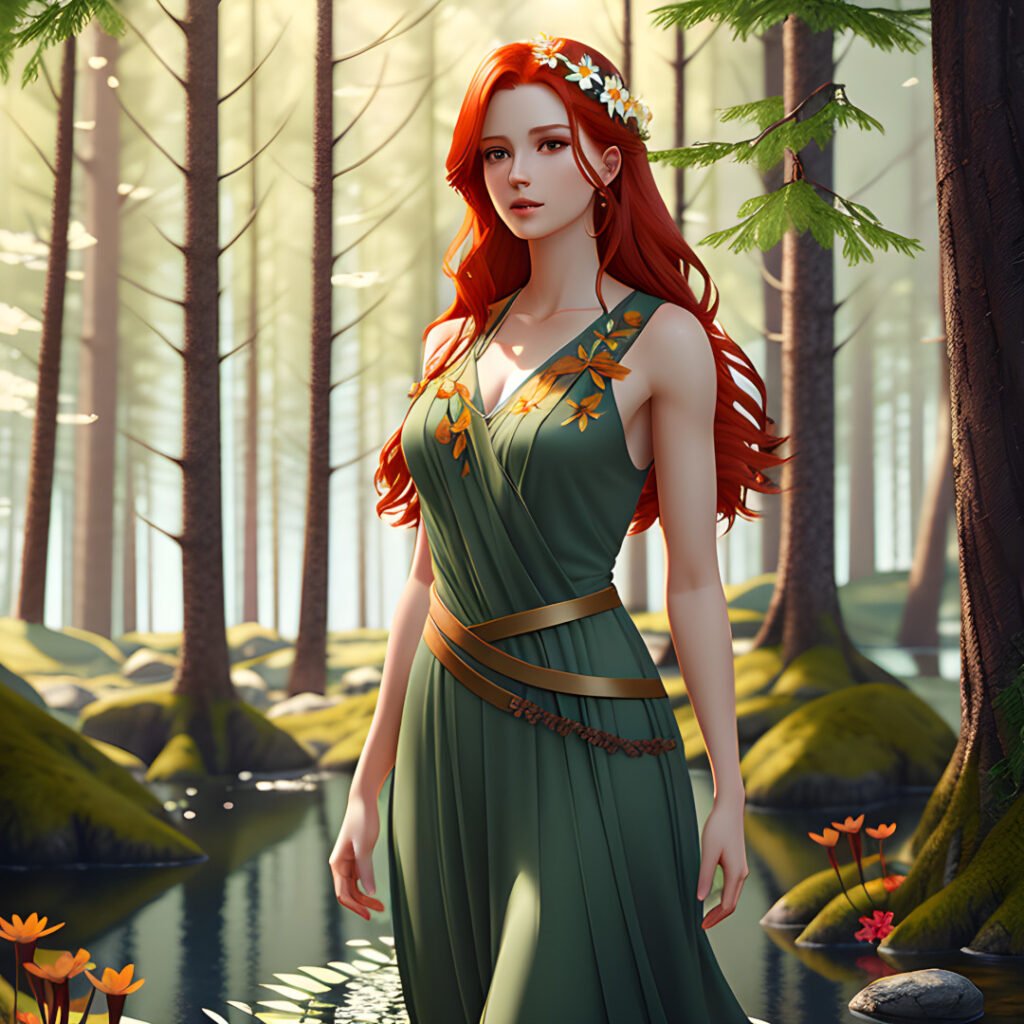
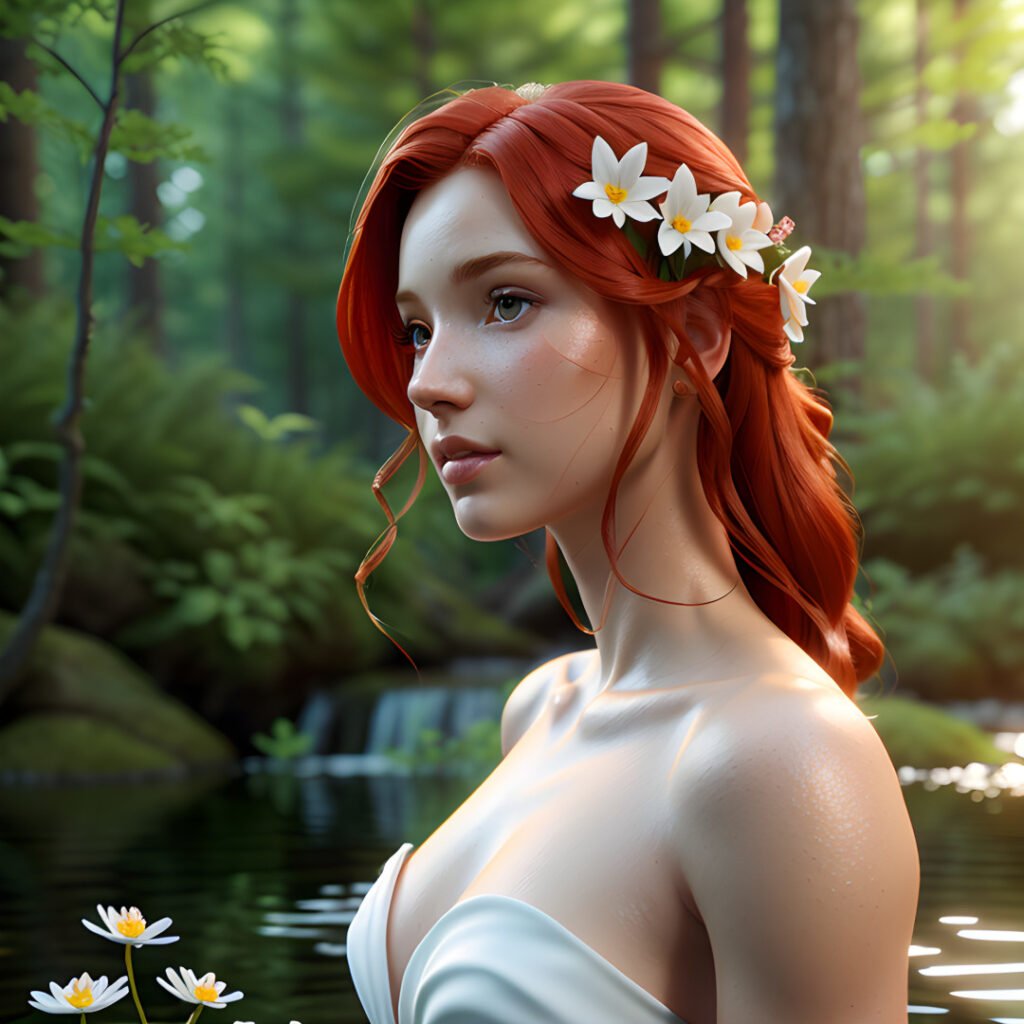
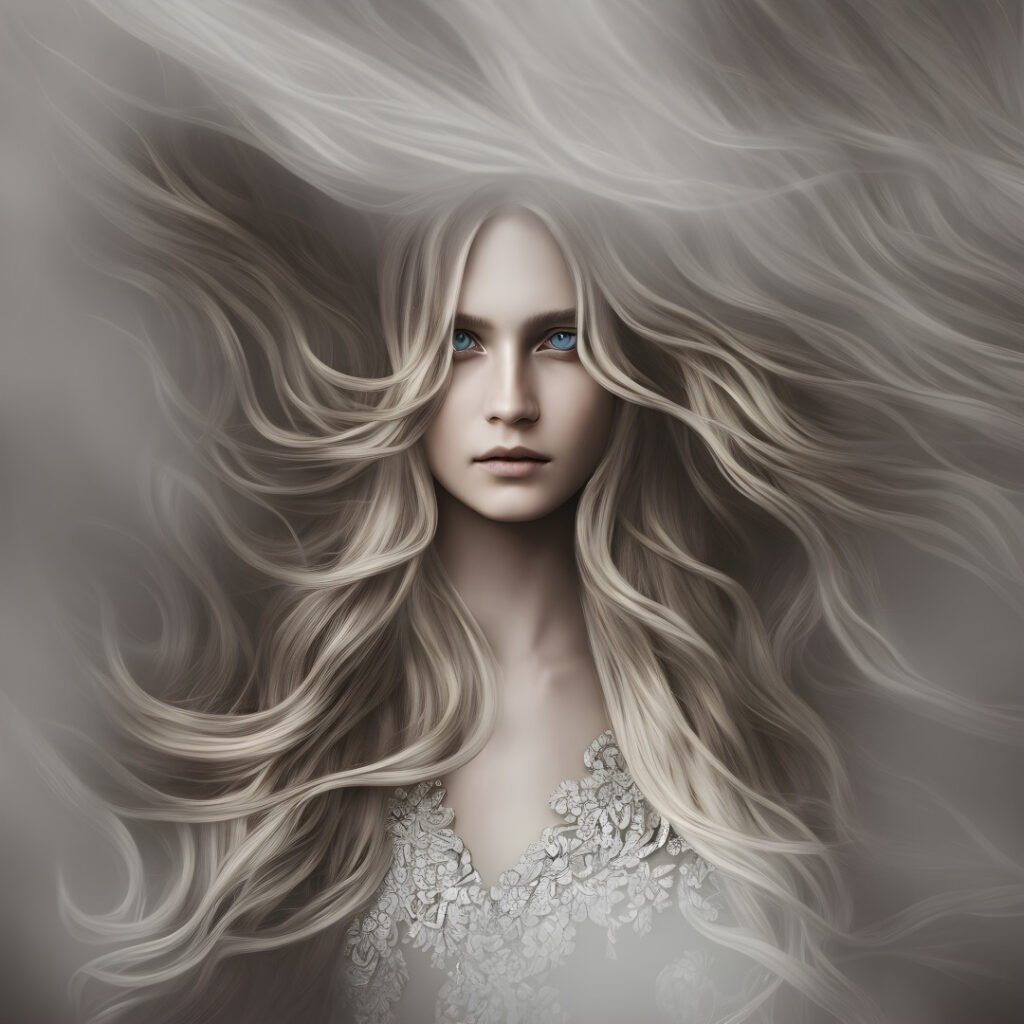
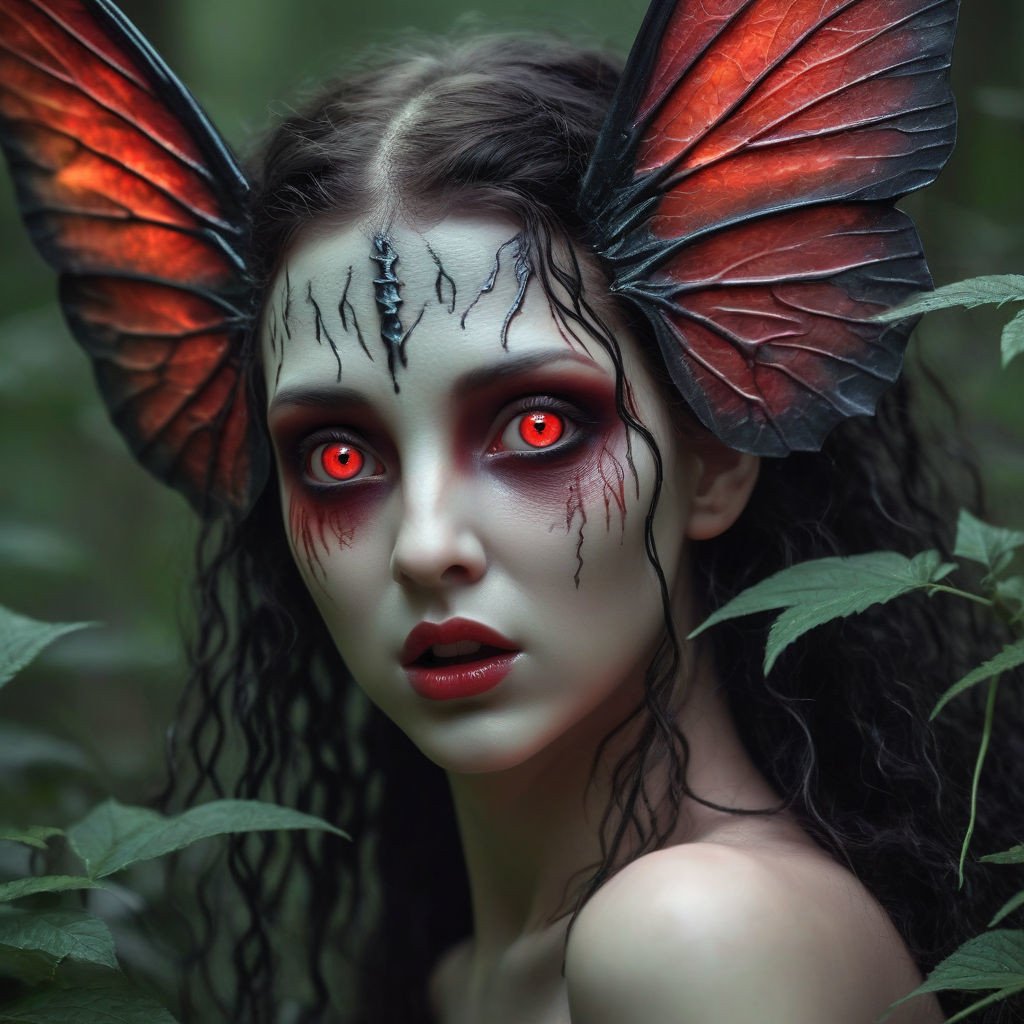
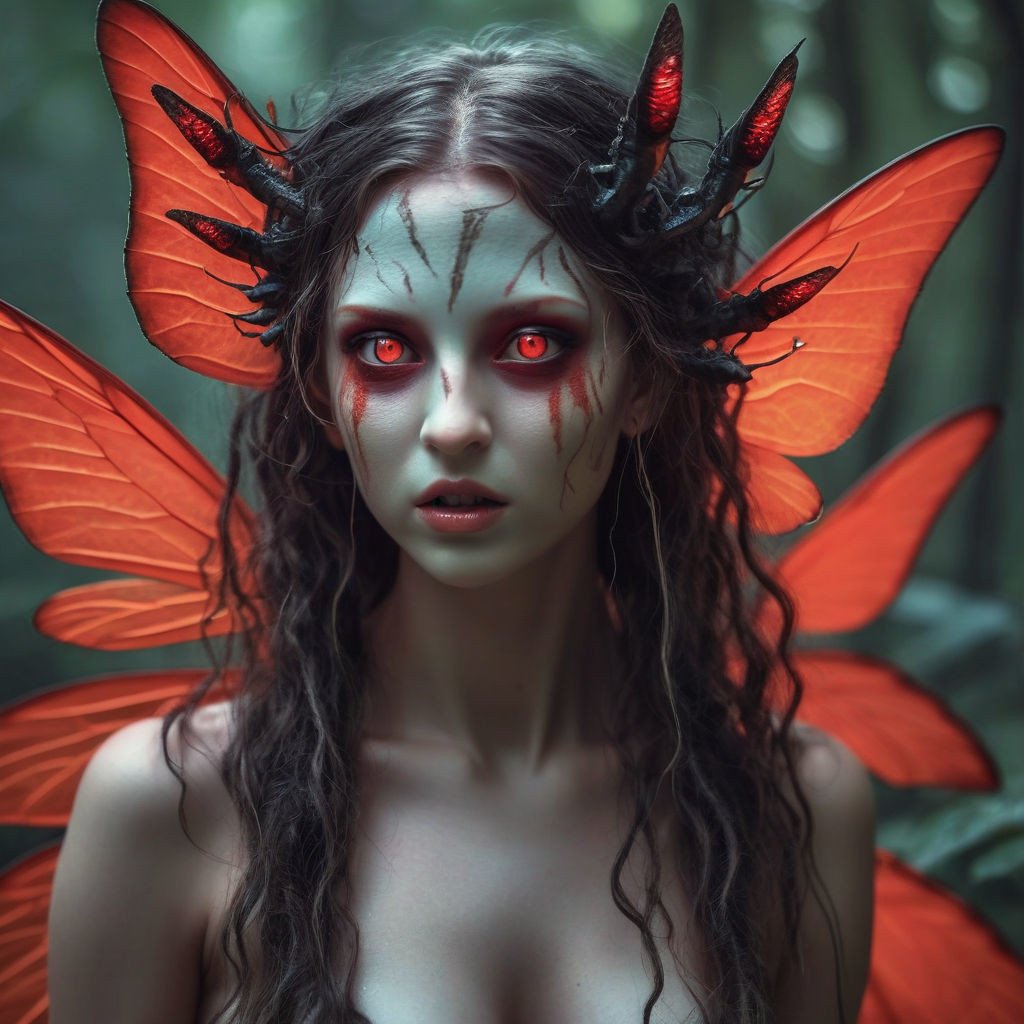
What Were the Nymphs?
Nymphs were female nature spirits associated with specific locations or natural elements. Unlike the major Olympian gods, they were usually tied to individual places such as sacred springs, rivers, groves, caves, or mountains.
The ancient Greeks viewed them as embodiments of the life force within nature. Wherever water flowed, trees grew, or winds whispered through the hills, nymphs were believed to dwell unseen.
They were often described as eternally youthful, breathtakingly beautiful, graceful, and deeply connected to music, dance, fertility, and the vitality of the earth.
Although generally benevolent, nymphs could also become dangerous when disrespected or when humans violated sacred natural places.
The Different Types of Greek Nymphs
Greek mythology divided nymphs into many categories depending on the environments they inhabited.
Naiads — Nymphs of Fresh Water
The Naiads were guardians of springs, rivers, fountains, lakes, and freshwater streams. They symbolized purity, renewal, healing, and fertility.
Ancient Greeks often believed sacred waters possessed spiritual power because of the nymphs residing within them.
Dryads and Hamadryads — Tree Spirits
Dryads were nymphs connected to trees and forests. The Hamadryads were even more closely linked, sharing their life force with a single tree. If the tree died, the nymph perished as well.
These spirits represented humanity’s ancient reverence for forests and living ecosystems.
Oreads — Mountain Nymphs
The Oreads inhabited mountains, rocky cliffs, caves, and high wilderness regions. They were associated with hunting, echoing winds, and the untamed freedom of the wild.
Many myths connect them with the goddess Artemis, who often traveled alongside bands of nymph companions.
Oceanids and Nereids — Sea Nymphs
The Oceanids ruled over oceans and vast waters, while the Nereids were associated specifically with the Mediterranean Sea.
These marine nymphs appeared in countless myths involving sailors, storms, sea creatures, and divine journeys.
One of the most famous Nereids was Thetis, mother of the legendary hero Achilles.
Nymphs and the Greek Gods
Nymphs frequently interacted with the Olympian gods and were deeply woven into divine mythology.
They served as:
- Companions of gods and goddesses
- Protectors of sacred locations
- Mothers of heroes and demigods
- Spirits of fertility and inspiration
- Dancers and singers within divine celebrations
The god Pan, associated with wilderness and music, was especially linked to nymphs. Many legends describe Pan pursuing or enchanting them through forests and mountains.
The god Dionysus was also closely connected with ecstatic dances and wild celebrations involving nymphs and nature spirits.
Symbolism of the Nymphs
Beyond mythology, nymphs carried profound symbolic meaning in ancient Greek culture.
They represented:
- The sacredness of nature
- The beauty and fragility of life
- Fertility and renewal
- Harmony between humanity and the environment
- Freedom, sensuality, and artistic inspiration
To the ancient Greeks, nature was not lifeless. Rivers, forests, and mountains possessed consciousness and spirit. Nymphs personified this living essence.
Their myths reminded humanity that nature deserved reverence rather than domination.
Nymphs in Art and Literature
Throughout history, nymphs became popular subjects in sculpture, painting, poetry, opera, and romantic literature.
Artists portrayed them as ethereal women dancing through forests, bathing in rivers, or singing beneath moonlight. During the Renaissance and Romantic periods, they symbolized beauty, imagination, passion, and humanity’s longing for a lost connection with nature.
Their influence can still be seen today in:
- Fantasy novels
- Video games
- Gothic art
- Mythological films
- Dark fantasy aesthetics
- Modern pagan spirituality
The image of the mystical forest maiden or enchanted water spirit traces directly back to the ancient Greek nymphs.
The Eternal Spirit of Nature
The fascination with nymphs endures because they embody a timeless idea: that nature itself is alive.
In a world increasingly shaped by technology and urban life, the mythology of the nymphs continues to evoke mystery, wonder, and spiritual connection to the earth.
They are reminders of ancient forests untouched by civilization, hidden springs beneath moonlight, and mountains where gods and spirits once walked beside humanity.
Conclusion
The Greek nymphs were far more than mythical creatures. They represented the soul of nature itself — beautiful, mysterious, nurturing, and sometimes dangerous.
Through rivers, forests, oceans, and mountains, the nymphs expressed the ancient belief that every part of the natural world possessed divine life and sacred presence.
Even thousands of years later, their legends continue to inspire artists, writers, dreamers, and seekers who still hear echoes of enchantment within the wild places of the earth.